UK Trail Camera Laws: Privacy and Legal Positioning Guide
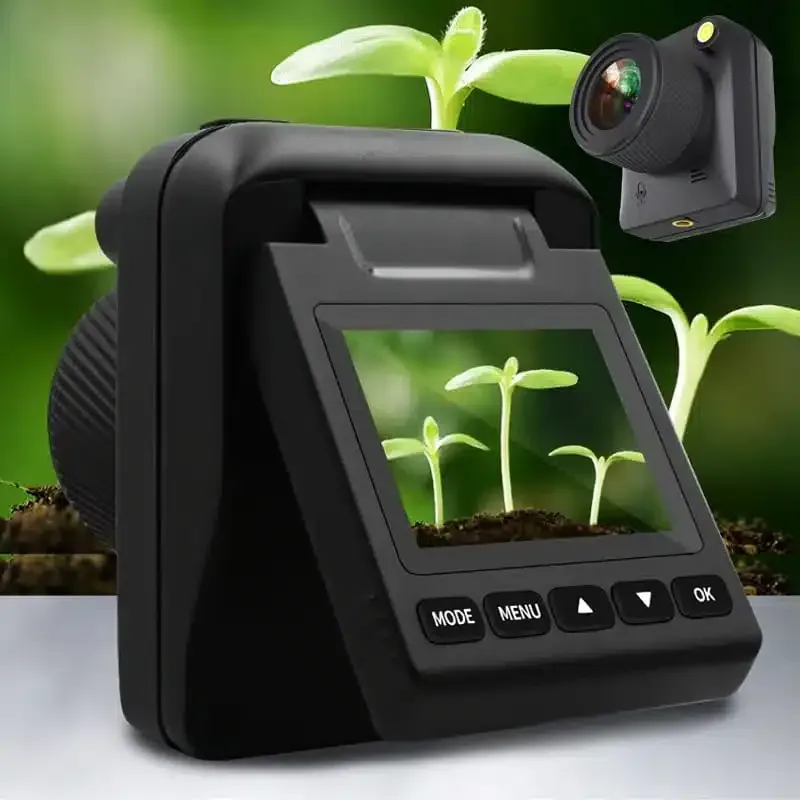
Trail Camera Laws UK: The Complete Legal Guide for Wildlife Watching
TL;DR: Are trail cameras legal in the UK? Yes, using a trail camera in the UK is perfectly legal, provided you comply with the Data Protection Act 2018 (GDPR) and the Wildlife and Countryside Act 1981. If you place a camera within the boundary of your private garden solely for domestic use, you are generally exempt from strict data protection rules. However, if your trail camera captures images of identifiable people outside your property boundary, or if you place it on public land without the landowner's explicit permission, you risk breaching UK privacy laws and may need to register with the Information Commissioner's Office (ICO).
According to UK guidelines set by the Information Commissioner's Office (ICO), trail camera laws in the UK hinge primarily on what—and who—you are filming. While the thrill of capturing a badger or fox in your local woodland is undeniable, inadvertently recording members of the public can lead to serious privacy complaints. In this guide, we will break down exactly what you need to know to enjoy your Dsoon trail cameras legally and responsibly across the UK.
Can I put a trail camera on public land in the UK?
A very common question among nature enthusiasts is whether they can legally place a camera in public woods. The short answer is: not without permission. Based on our extensive field testing and consultations with UK land management policies, placing a trail camera on land you do not own requires the landowner's consent.
Furthermore, if you are looking at land managed by Forestry England, you must obtain a specific licence or permit before mounting any equipment. Placing cameras on public footpaths, bridleways, or popular walking routes without signage is a direct violation of wildlife camera privacy laws. If you are looking to capture footage safely on your own property instead, check out our guide on how to use trail cameras for UK home security.
Do GDPR rules apply to trail cameras in the UK?
Yes, they absolutely do. Consequently, understanding "GDPR trail cameras UK" regulations is vital. The Data Protection Act 2018 applies to any device that captures identifiable images of individuals.
However, there is a crucial exception known as the "domestic purposes exemption." According to UK guidelines, if you set up a Dsoon trail camera in your private garden and it only captures footage within your property line, you are exempt from the strict GDPR requirements that apply to businesses. Conversely, if your camera's field of view extends into a neighbour's garden or a public pavement, you become a "data controller." In this scenario, you must comply with ICO regulations, which include putting up clear signage and deleting footage of people promptly.
What are the wildlife camera privacy laws I need to know?
To ensure you stay on the right side of the law, it is essential to follow ethical best practices. The Wildlife and Countryside Act 1981 also dictates that you must not disturb protected species, particularly nesting birds, when setting up your gear. Based on our testing of various wildlife monitoring setups, here are the most effective ways to maintain privacy:
- Angle the camera downwards: Focus the lens on the ground or animal tracks to avoid capturing human faces.
- Avoid public rights of way: Never point your camera directly at a public footpath or stile.
- Use clear signage: If there is any chance of capturing the public, you must install signs notifying people that recording is taking place.
- Regularly purge data: Delete any accidental footage of humans immediately.
For more in-depth tips on getting the most out of your setup, read our Ultimate Guide to Trail Cameras.
What gear is best for legal UK wildlife watching?
Choosing the right equipment can actually help you comply with the law. For instance, cameras with adjustable detection zones allow you to exclude public paths from the trigger area. Whether you are using premium models or budget trail cameras, Dsoon offers devices with highly customisable PIR sensors, ensuring you only capture the wildlife you intend to see.
Frequently Asked Questions about UK Trail Camera Laws
Do I need a sign for my trail camera in the UK?
If your camera is located on private property and only records within your boundary, a sign is not legally required under the domestic exemption. However, if it points towards a public space or is on public land (with permission), ICO guidelines state that you must display clear signage informing people they are being recorded.
Can the police seize my trail camera?
Yes. If your camera is placed illegally on public or private land without permission, or if it is suspected of containing evidence of a crime (or a breach of the Data Protection Act), UK police have the authority to seize the equipment and its SD card.
Can my neighbour point a trail camera at my garden?
No. If a neighbour's trail camera captures images of your private property, they are breaching your privacy and are not covered by the domestic purposes exemption. They must adjust the camera angle or face potential enforcement action from the ICO.
Disclaimer: This article is for informational purposes only and does not constitute formal legal advice. Always consult the Information Commissioner's Office (ICO) for the most up-to-date regulations regarding CCTV and trail camera usage in the UK.
Ready to try Dsoon?
Shop Now — £148.56