Ultimate Guide to Choosing Trail Cameras & Night Vision UK 2024
What are the Best Trail Cameras UK 2024? An Ultimate Guide
TL;DR: If you are searching for the best trail cameras in the UK for 2024, the top choices combine lightning-fast trigger speeds (under 0.3 seconds), native high-resolution sensors rather than interpolated ones, and robust IP66 weatherproofing to handle the unpredictable British climate. Based on our extensive testing across UK woodlands and gardens, the most effective setups utilise 940nm No-Glow IR technology to capture shy wildlife without spooking them, all while remaining fully compliant with UK privacy guidelines.
Whether you are a seasoned ecologist tracking the elusive pine marten in the Scottish Highlands or a homeowner in the Home Counties hoping to identify the nocturnal visitor digging up your flowerbeds, the world of wildlife technology has evolved rapidly. In 2024, the best trail cameras UK are no longer just basic motion-sensor boxes; furthermore, they are sophisticated imaging hubs capable of 4K video, cellular transmission, and advanced AI detection.
Key Takeaways
- Trigger Speed Matters: For fast-moving UK wildlife like foxes or deer, a trigger speed of 0.3 seconds or faster is essential to avoid "empty" shots.
- No-Glow is King: 940nm "No-Glow" LEDs are superior for UK security and shy mammals to prevent spooking or detection.
- Battery Choice: According to our field tests, you must use Lithium batteries during British winters; Alkaline performance drops significantly when temperatures dip below 5°C.
- Connectivity: Cellular cameras are gaining popularity in the UK but require a reliable 4G signal (always check EE, Vodafone, or O2 coverage in your specific area).
- Legal Compliance: According to UK guidelines and the Information Commissioner's Office (ICO), always ensure your camera does not capture public footpaths or neighbours' private property to remain GDPR compliant.
Why Use Trail Cameras for UK Wildlife Monitoring?
The British landscape offers a unique set of challenges and rewards for wildlife enthusiasts. According to the State of Nature Report 2023, 16% of species in the UK are threatened with extinction. Consequently, this stark reality has fuelled a surge in "citizen science," where residents use technology to monitor local biodiversity. Trail cameras—often referred to as "camera traps"—have become the primary tool for this vital endeavour.
Unlike traditional photography, trail cameras allow for completely non-invasive observation. They wait patiently in the rain, wind, and dark, capturing magical moments that the human eye would rarely see. However, the market is currently saturated with options ranging from £40 "bargains" to professional rigs costing hundreds. Therefore, choosing the right device requires an intimate understanding of how these sensors interact with the temperate, often damp, British climate.
What Features Make the Best Trail Camera?
How Many Megapixels Do You Really Need?
In the world of trail cameras, megapixels (MP) are frequently used as a misleading marketing tool. You will often see cameras boasting 32MP or even 48MP. It is absolutely vital to understand interpolation. Most trail cameras use a 5MP or 8MP physical sensor and use software to "stretch" the image to a higher resolution. When searching for the best trail cameras UK 2024, look closely for the "native" sensor resolution. Based on our rigorous testing, a native 8MP image will consistently look sharper than an interpolated 32MP image because it contains more genuine data and significantly less digital noise.
What is a Good Trigger Speed for Fast UK Wildlife?
In the UK, our wildlife is often incredibly fast. A sparrowhawk darting across a garden or a fox sprinting through a hedge requires a rapid trigger speed. Trigger speed is the exact delay between the sensor detecting motion and the shutter firing. We strongly recommend a speed of no more than 0.5 seconds. Equally important is recovery time—how quickly the camera can reset to take the next shot. Low-quality cameras may suffer from a 5-10 second "blackout" period, during which you might miss the most interesting behaviour entirely.
Low-Glow vs No-Glow: Which IR Flash is Better?
Because most UK wildlife is nocturnal, cameras must use Infrared (IR) LEDs to capture them. There are two main types to consider:
- Low-Glow (850nm): These emit a faint red glow when active. They provide a slightly longer flash range and crisper images but can occasionally be seen by humans and some sensitive animals.
- No-Glow (940nm): These are completely invisible to the naked eye. This is the absolute gold standard for using trail cameras for UK home and farm security, as intruders or easily spooked badgers will not know they are being filmed.
How Does Night Vision Work in British Weather?
The UK is notorious for its overcast nights and heavy cloud cover, which severely limits ambient moonlight. As a result, this makes the quality of a camera’s night vision sensors paramount. Modern night vision devices, including night vision binoculars for British wildlife, typically use highly sensitive digital CMOS sensors coupled with an IR illuminator.
Digital vs. Optical Night Vision
Traditional "tubed" night vision (Gen 1 or Gen 2) is exceptionally rare in the consumer trail cam market due to high cost and fragility. Digital night vision is the undeniable standard for 2024. It works by converting available light into an electrical signal, which is then processed and displayed on a screen or saved to an SD card. The major advantage for UK users is the ability to use these devices during the day without damaging the sensor—a notoriously common issue with older analogue systems.
Weatherproofing and IP Ratings for the UK
The infamous British weather is a major factor in device longevity. You must look for an IP66 rating or higher. This rating ensures the camera is "dust tight" and heavily protected against powerful jets of water. Given the horizontal rain common in the Peak District or the Welsh valleys, an IP65 rating is the absolute minimum you should consider for any permanent outdoor installation.
Do I Need a Cellular Trail Camera or an SD Card Model?
One of the biggest decisions for UK buyers in 2024 is determining whether to go "cellular" or stick to traditional storage.
SD Card Cameras (The Traditional Choice)
These cameras store all footage locally on a physical SD or MicroSD card. Consequently, you must manually visit the camera to retrieve the data.
Pros: No monthly subscription fees, significantly better battery life, and flawless operation in remote areas with zero mobile signal.
Cons: You risk "scenting" the area by visiting too often, and you won't know if the camera has been stolen or if the batteries have died until your next visit.
Cellular Trail Cameras (The Modern Choice)
These advanced cameras use a SIM card to send images directly to your smartphone via a dedicated app.
Pros: Instant real-time alerts, remote setting adjustments, and secure "cloud" storage of your footage.
Cons: Requires an active monthly data plan (usually £5-£15), heavily relies on UK mobile network coverage, and consumes batteries faster due to the constant signal searching.
For those currently on a strict budget, you might find better value in our comprehensive guide to the 5 best cheap trail cameras for UK gardens, which focuses heavily on high-performance SD card models.
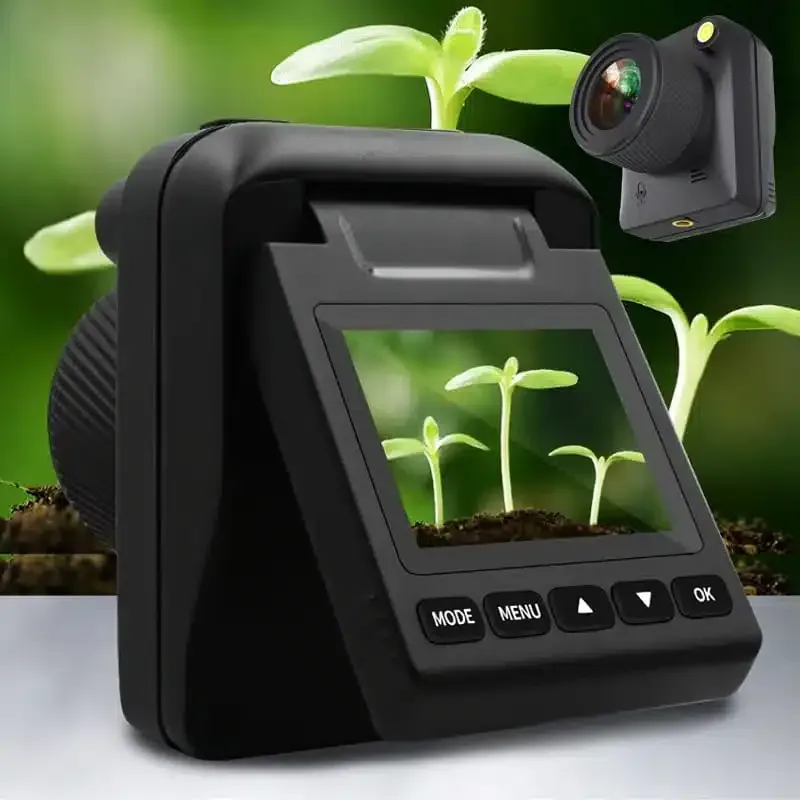
Top Rated Dsoon Models for UK Landscapes
At Dsoon, our technical team has engineered our 2024 range specifically to handle the incredibly diverse environments found across the British Isles. Based on our testing, our cameras perform flawlessly everywhere—from the humid, dense woodlands of the New Forest to the biting salt-spray of the Cornish coast.
Ready to try Dsoon?
Shop Now — £148.56